Decluttering doesn’t have to mean spending an entire weekend sorting through everything you own. Sometimes the best way to make progress is to focus on a few things that are easy to identify, remove, and let go.
A couple of hours spent clearing unnecessary items can make your home feel noticeably lighter and easier to manage. Better yet, you don’t need to tackle every room or organize everything perfectly to see a difference.
If you have some time this weekend, start with these 12 common sources of clutter. Work through the list at your own pace, skip anything that doesn’t apply to your home, and focus on making progress rather than trying to finish everything at once.
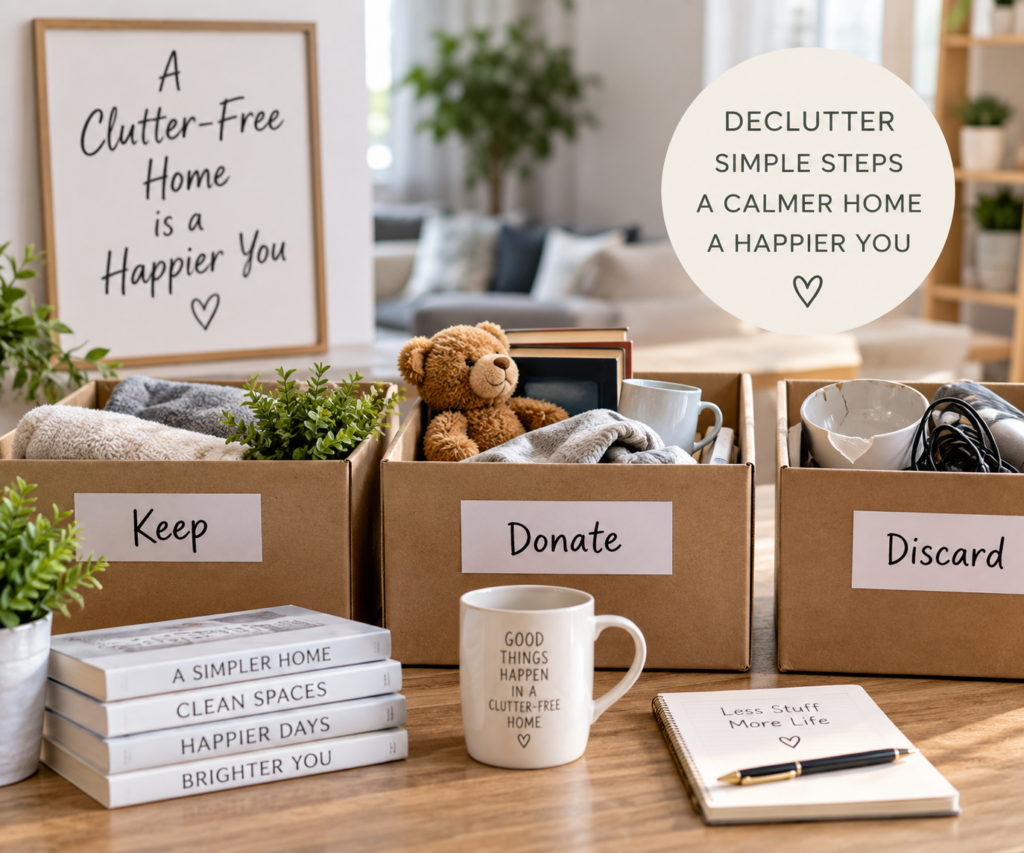
1. Expired Food and Pantry Items
Start with your pantry, refrigerator, and freezer. Check expiration dates and remove food that is expired, stale, or unlikely to be used. Don’t forget spices, condiments, baking supplies, and items hiding at the back of shelves.
As you work, group similar foods together so you can see what you already have. Clearing out unusable items creates more room for the groceries you actually use and makes meal planning easier.
2. Clothes You No Longer Wear
Look through your closet and drawers for clothing that no longer fits, hasn’t been worn in a long time, or simply doesn’t suit your lifestyle anymore. Set aside pieces that are still in good condition for donation.
You don’t have to empty your entire closet. Start with one category, such as shirts, pants, shoes, or jackets. Working in smaller sections keeps the process manageable and makes decisions easier.
3. Old Toiletries and Bathroom Products
Bathroom cabinets and drawers can quickly fill with expired toiletries, nearly empty bottles, old cosmetics, and products you tried but never liked. Go through one area at a time and remove anything expired, empty, or no longer used.
Keep the products you use regularly within easy reach and store backups together. With fewer unnecessary items taking up space, your bathroom will be easier to organize and maintain.
4. Old Papers, Mail, and Receipts
Paper clutter can build up quickly on countertops, desks, and tables. Go through old mail, receipts, flyers, and paperwork, and recycle or shred anything you no longer need.
Keep important documents together in one designated place so they’re easy to find when needed. Taking a few minutes to sort incoming paperwork regularly can prevent piles from building up again.
5. Kitchen Gadgets You Never Use
Kitchen drawers and cabinets often contain gadgets, utensils, and small appliances that haven’t been used in months or even years. Look for duplicates, broken items, and tools that no longer serve a useful purpose.
Keep the items you actually use and consider donating anything that’s still in good condition. Clearing unnecessary kitchen tools creates more room for everyday essentials and makes cabinets and drawers easier to organize.
6. Broken or Unused Household Items
Walk through your home and look for items that are broken, damaged, or simply no longer used. This might include old décor, worn-out linens, unused electronics, or household items you’ve been keeping “just in case.”
Dispose of broken items responsibly and donate usable things you no longer need. Removing these forgotten belongings can free up valuable storage space and make your home feel less cluttered.
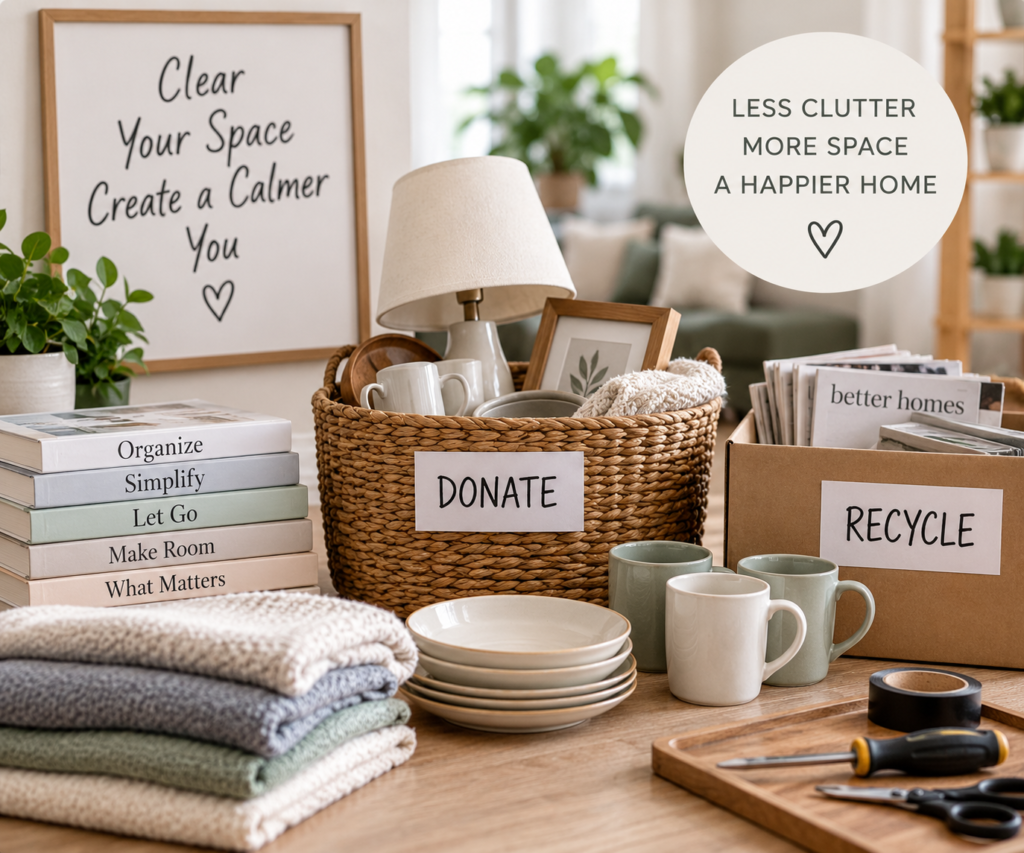
7. Books and Magazines You Won’t Read Again
Books and magazines can slowly accumulate on shelves, coffee tables, and nightstands. Go through your collection and set aside anything you’ve already read, no longer enjoy, or realistically don’t plan to read.
Keep the books you truly value and consider donating the rest. Recycle outdated magazines and catalogs. A smaller collection makes shelves easier to organize and leaves more room for the things you actually enjoy.
8. Extra Mugs, Cups, and Water Bottles
Mugs, cups, and reusable water bottles have a way of multiplying over time. Check your cabinets for duplicates, damaged pieces, promotional cups, and anything you rarely reach for.
Keep your favorites and enough extras for your household and guests. Donating the rest can free up valuable cabinet space and make it easier to find what you need every day.
9. Toys, Games, and Hobby Supplies No Longer Used
Toys, games, craft supplies, and hobby materials can take up a surprising amount of space when they’re no longer being used. Look for items that are broken, incomplete, outgrown, or tied to hobbies your household no longer enjoys.
Donate usable items and dispose of anything damaged or incomplete. Keeping only the activities your household currently enjoys makes these areas easier to organize and maintain.
10. Duplicate Cleaning Supplies
Cleaning products often end up scattered under sinks, in closets, and throughout different rooms. Gather them together and look for duplicates, nearly empty containers, and products you no longer use.
Use up what you already have before buying replacements, and safely dispose of anything that has expired or is no longer usable. Keeping your cleaning supplies together makes it easier to see what you have and prevents unnecessary purchases.
11. Old Electronics and Cords
Old phones, chargers, cables, headphones, and small electronics can accumulate quickly because we’re often unsure whether we might need them again. Go through your collection and identify anything that no longer works or belongs to a device you no longer own.
Keep the cords and electronics you still use and recycle unwanted electronics through an appropriate electronics recycling program. Labeling the cords you keep can also make them much easier to identify later.
12. Decorations You No Longer Love
Decorations should help make your home feel comfortable and personal, but over time it’s easy to accumulate items that no longer fit your style. Look around your rooms and storage areas for décor you no longer enjoy displaying.
Keep the pieces that you genuinely love and consider donating items that are still in good condition. Removing decorations, you no longer enjoy can make your home feel less crowded while allowing your favorite pieces to stand out.
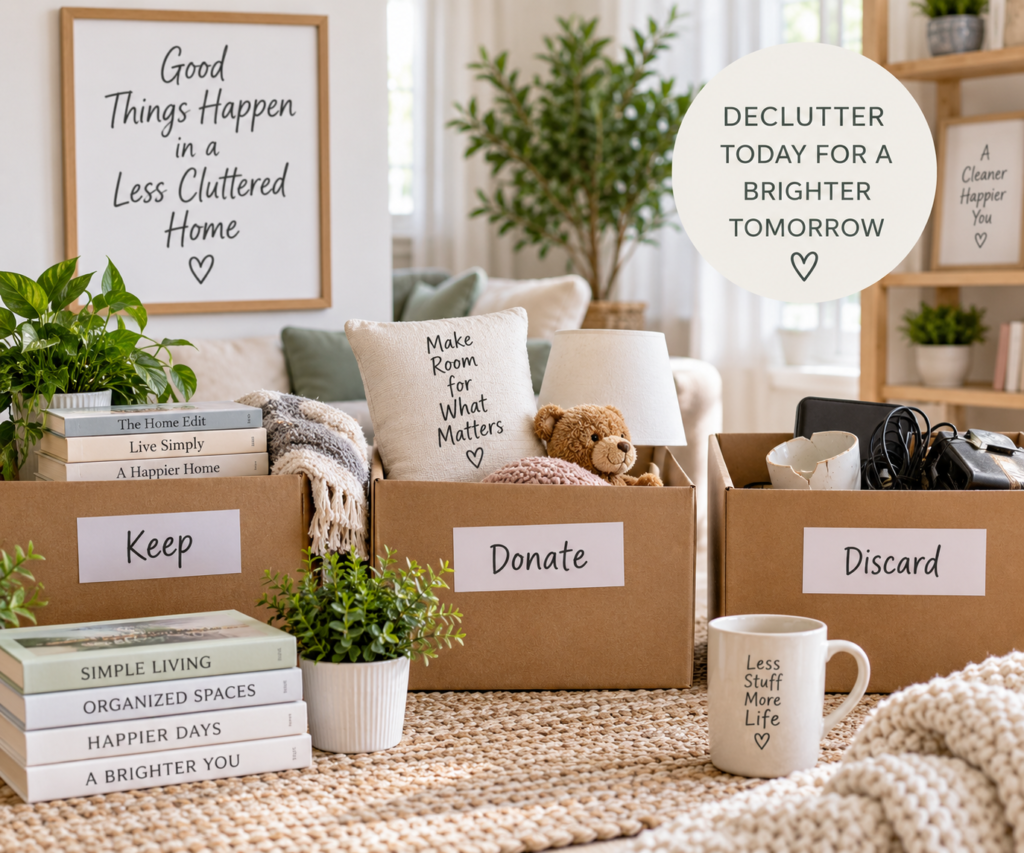
A Little Decluttering Can Make a Big Difference
You don’t have to completely reorganize your home to make it feel calmer and easier to manage. Removing even a handful of things you no longer need can create noticeable breathing room.
The key is to keep the process manageable. Choose a few items or one small area at a time, make your decisions, and then move on. Small decluttering sessions are much easier to fit into everyday life than waiting for the perfect weekend to tackle everything.
Once you’ve worked through these 12 categories, take a moment to enjoy the extra space you’ve created. A less cluttered home isn’t about having fewer things just for the sake of it—it’s about making more room for the things you actually use and enjoy.
Ready to keep going? Explore our How to Declutter Your Home Room by Room Without Feeling Overwhelmed guide for a simple room-by-room approach to creating a calmer, more organized home.